
2025 Campus Green Building Management
Sustainable Development Goals
Abstract/Objectives
Results/Contributions
1. Following NTHU environmental protection and occupational safety and health management policies, we will continue to promote various sustainable development programs on campus, including initiatives for campus biodiversity, responsible dining service consumption, green procurement, energy saving and carbon reduction, and resource recycling and reuse, all aimed at creating a green campus.
2. All campus buildings constructed after 2000 have been certified to meet green building standards. From the planning stage, the design and development were based on these standards. This means that when constructing various buildings on campus, the school has paid special attention to environmentally friendly design concepts with the aim of reducing resource waste and environmental impact during construction. Sustainable development principles have been adopted throughout the design, construction, and operation processes to ensure that the buildings meet locally recognized green building standards in terms of energy consumption, water resource utilization, waste management, and the health and comfort of users.
3. Based on the floor area of NTHU's buildings, green buildings account for 25% of the campus buildings.
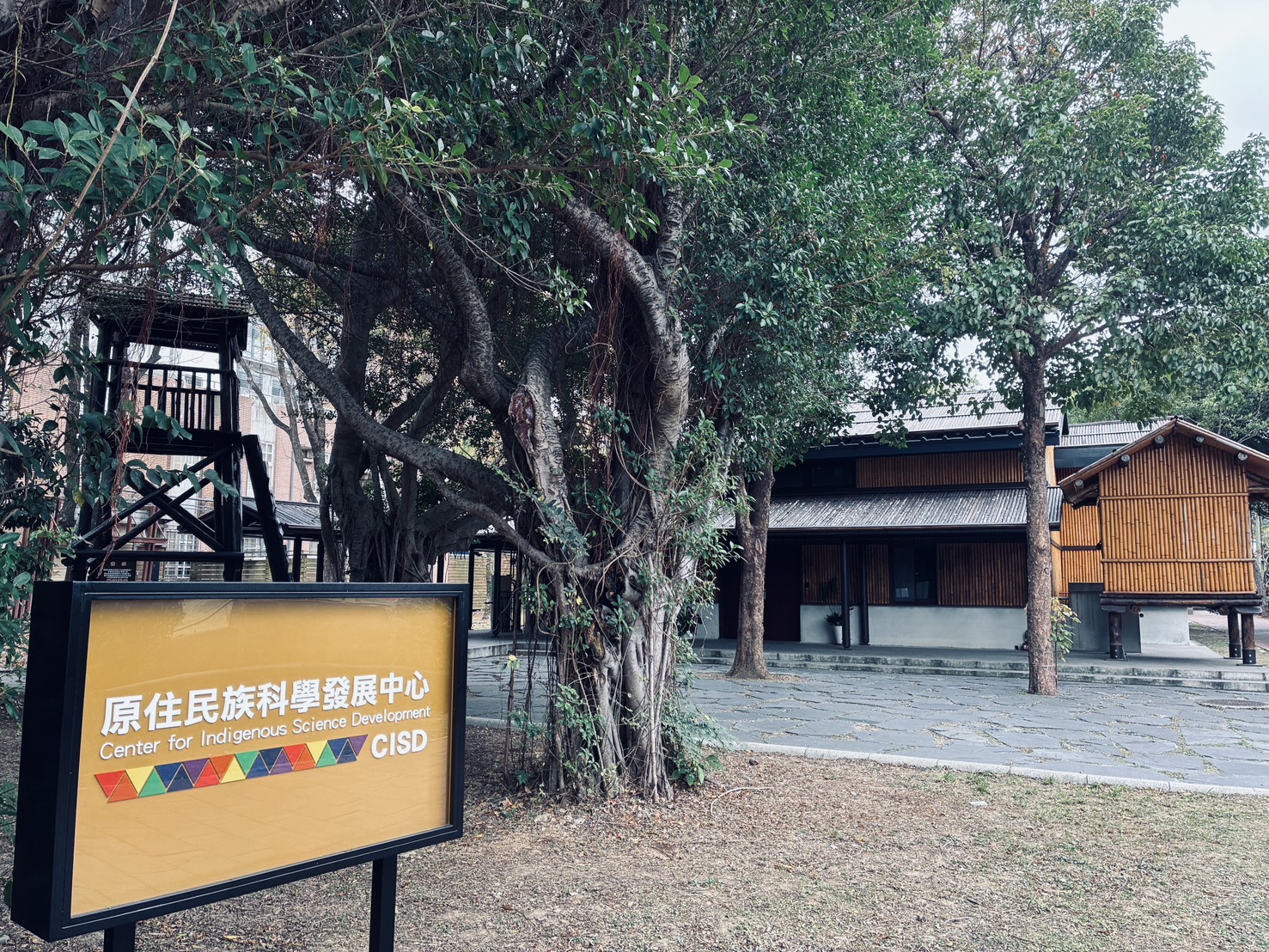
4. The bamboo house built in the park in 2023 uses Guizhu locally sourced from Jianshi Township, Hsinchu County. It has one floor above ground and one underground floor. The first floor has an audio-visual space, offices and conference rooms that can accommodate 50 people, and the basement is a cultural display and teaching space. In order to comply with building and fire regulations, the inner layer is reinforced with steel and cement. It is the first indigenous bamboo building in the country that has obtained a construction and use license and can be used for teaching and office work.
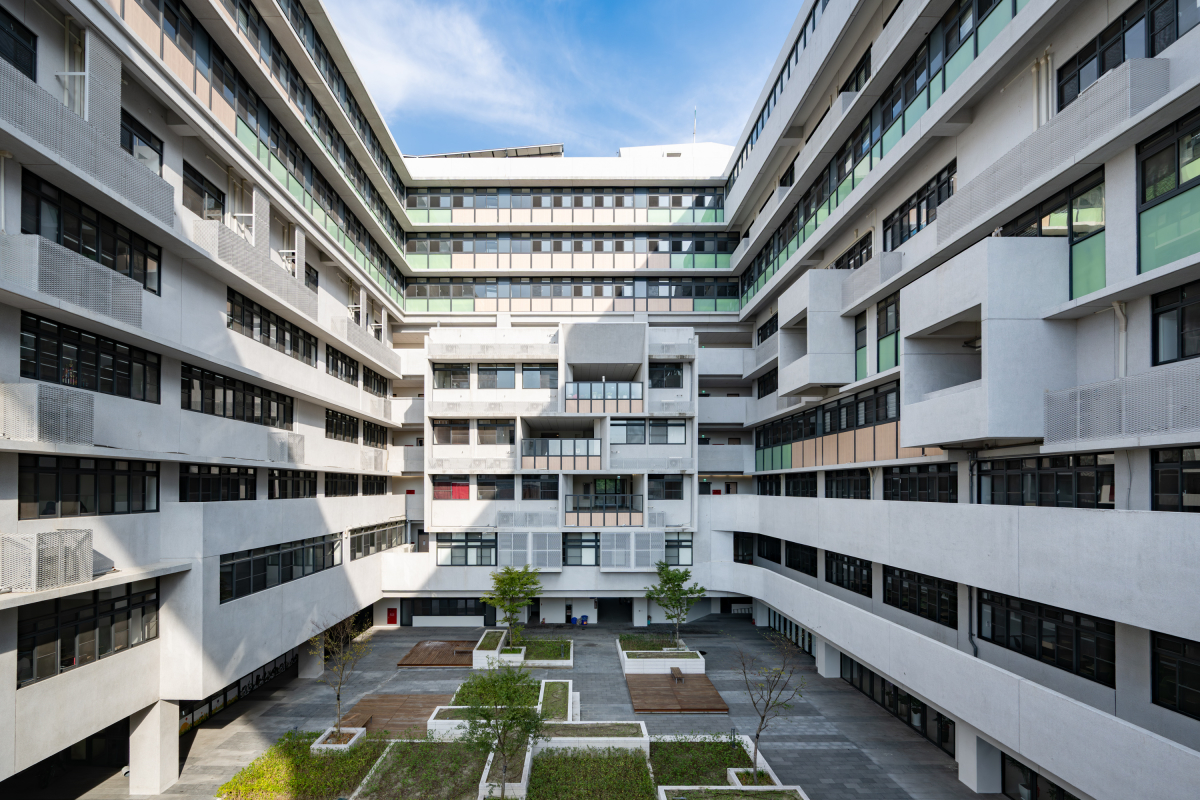
5.The campus will have an education building completed in 2025. It is a new building with 8 floors above ground and 2 floors below ground, with a total area of approximately 8,000 square meters. The central courtyard is open and bright, allowing learning activities to naturally extend outdoors. From maker spaces, storybook classrooms, dance and STEAM classrooms to the "Creative Space" that combines office floors with tea rooms, every corner encourages teachers and students to meet and communicate. It brings together teaching, administration and public spaces and has obtained the Silver Green Building Certification.
Keywords
References
National Tsing Hua University Environmental Protection and Occupational Safety and Health Management Policy
Architecture and Building Research Institute, Ministry of the Interior, ROC (Taiwan)