
National Tsing Hua University Campus Sustainable Food Policy
Sustainable Development Goals
Content
National Tsing Hua University Campus Sustainable Food and Aquatic Products Procurement Policy
THE Impact Rankings 14.3.2 — Food from Aquatic Ecosystems (Policies)
Relevant Sustainable Development Goals: SDG 14 — Life Below Water; SDG 12 — Responsible Consumption and Production; SDG 2 — Zero Hunger; SDG 3 — Good Health and Well-being
1. Policy Objectives and Sustainable Campus Dining
National Tsing Hua University (NTHU) places sustainability at the centre of its campus dining operations. The university seeks to promote environmentally responsible food services, food safety, meal quality, and the efficient use of resources.
NTHU recognizes the environmental and social impacts of food production, procurement, distribution, and consumption. Its dining management approach therefore incorporates ingredient traceability, local sourcing, food waste prevention, and environmentally responsible operations.
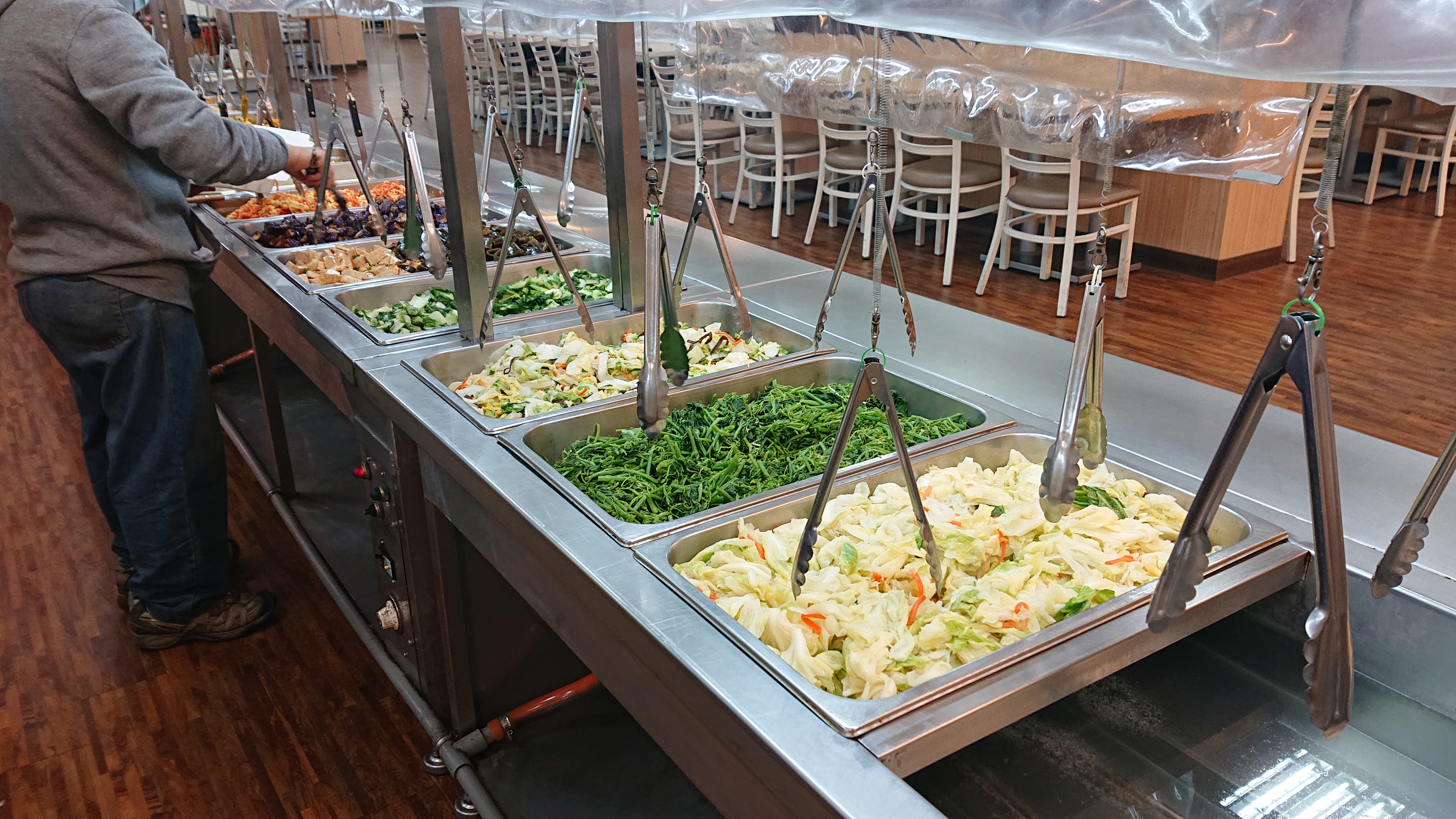
Campus restaurants promote smaller portions and low-waste dining practices rather than all-you-can-eat services. Customized options, such as reduced rice or sauce portions, help minimize food leftovers and kitchen waste.
To support SDG 14, NTHU has also incorporated sustainable aquatic product procurement principles into its campus sustainable food policy.
Campus food service providers are required to prioritize seafood and aquatic products from sustainable fisheries, responsible aquaculture, or legally traceable sources, while avoiding products associated with illegal fishing, habitat destruction, or violations of conservation regulations.
These measures aim to connect food safety and responsible consumption with the sustainable use of aquatic resources and marine ecosystem protection.
Supporting Evidence:
NTHU Campus Sustainable Food Policy (2025)
2. Sustainable Procurement Policy for Food from Aquatic Ecosystems
2.1 Scope of the Policy
NTHU's Food from Aquatic Ecosystems Policy applies to fish, seafood, shellfish, and other marine or freshwater products purchased and served by campus food service providers.
When procuring aquatic products, food service providers are expected to prioritize legal sourcing, traceability, responsible fishing practices, environmental conditions in aquaculture, and applicable sustainability certifications.
The policy recognizes that responsible aquatic food procurement should consider both food safety and the conservation of fisheries resources and aquatic ecosystems.
2.2 Preference for Certified and Traceable Aquatic Products
According to the university's published policy, campus food service providers must prioritize products meeting relevant sustainability or traceability criteria, including:
- Aquatic products with official traceability QR codes or other verifiable sourcing information.
- Seafood certified by the Marine Stewardship Council (MSC).
- Aquaculture products certified by the Aquaculture Stewardship Council (ASC).
- Products certified under applicable schemes such as Friend of the Sea (FOS).
- Products supplied by farmers' and fishermen's associations, cooperatives, or small-scale sustainable fisheries that meet legal sourcing and environmental protection requirements.
Traceability systems help identify product origins and supply-chain information, while certifications such as MSC, ASC, and FOS address particular sustainability considerations associated with fishing or aquaculture.
Traceability alone does not constitute independent sustainability certification. NTHU therefore treats food safety, sourcing transparency, and environmental sustainability as complementary procurement considerations.
2.3 Restrictions on Unsustainable or Illegal Aquatic Products
Under the university's sustainable procurement principles, campus food service providers must avoid products associated with:
- Illegal, unreported, or unregulated fishing activities.
- Fishing practices that violate conservation laws or fisheries management regulations.
- Sources associated with habitat destruction or violations of environmental protection requirements.
- Protected aquatic species whose capture, sale, or supply is prohibited by applicable laws.
- Aquatic products that do not meet the conservation requirements of the university's published procurement policy.
Through marine food education, NTHU also promotes awareness of threatened species and products associated with high conservation risks, including shark fins and certain reef-associated species.
The policy seeks to reduce potential environmental pressures associated with the university's aquatic food supply chain.
Supporting Evidence:
NTHU Campus Sustainable Food Policy — Food from Aquatic Ecosystems
3. Ingredient Sourcing, Food Safety and Supply-chain Management
3.1 Food Safety and Ingredient Verification
NTHU manages campus food services in accordance with Taiwan's Act Governing Food Safety and Sanitation and other applicable requirements.
Food service providers are required to supply appropriate documentation concerning ingredient sources and food safety testing, and to comply with university inspections and management procedures.
The university's Campus Dietary Committee oversees food hygiene, nutrition, and the quality of dining services.
Food service providers are also required to register ingredient and supplier information on the Ministry of Education's Campus Food Ingredients Registration Platform to improve supply-chain transparency and traceability.
3.2 Preference for Certified and Traceable Ingredients
NTHU incorporates sustainability considerations into ingredient procurement by encouraging products with verifiable sources and recognized quality or safety certifications.
These include:
- Organic agricultural product certification, including transitional organic certification.
- Traceable Agricultural Products (TAP) certification.
- Certified Agricultural Standards (CAS) products.
- Traceability information for agricultural and aquatic products.
- Traceability labels for livestock, poultry, and eggs.
- Other applicable food safety and sustainability certifications.
These measures include Taiwan's Three Labels and One QR Code approach to improving ingredient transparency.
The published campus policy also includes requirements concerning genetically modified fresh ingredients and certain primary processed products, alongside the promotion of clean-label food products.
3.3 Local and Seasonal Procurement
NTHU prioritizes working with suppliers possessing appropriate business and food industry registrations.
It also encourages local and seasonal sourcing to support regional producers and explore opportunities to reduce the environmental impacts associated with food transportation and supply chains.
3.4 Nutritional Information and Responsible Consumption
Campus dining services provide nutritional information to help students, faculty, and staff make informed food choices.
Portion customization and responsible ordering are also encouraged to reduce unnecessary food waste.
Supporting Evidence:
2021 Campus Food Ingredients Registration and Management
2023 Sustainable Food on Campus
Ministry of Education — Campus Food Ingredients Registration Platform
4. Sustainable Operations, Plastic Reduction and Food Waste Management
4.1 Local Sustainable Food Partnerships
NTHU supports local food networks through initiatives associated with the 10M Co-op for Sustainability, connecting producers and consumers in the Hsinchu region.
These initiatives promote local food circulation, urban–rural cooperation, and sustainable consumption.
Supporting Evidence:
4.2 Reusable Containers and Reduction of Single-use Products
NTHU promotes discounts and incentive programmes encouraging customers to bring reusable food containers.
Campus dining operations also support reusable tableware and restrictions on certain single-use plastic products in accordance with applicable regulations.
The university's published policy refers to environmentally oriented tableware made from materials such as plant fibre, sugarcane bagasse, and corn starch.
NTHU prioritizes waste prevention and reuse while recognizing that the environmental performance of alternative tableware depends on material characteristics and actual collection or treatment systems.
4.3 Paperless and Energy-saving Operations
Campus dining providers promote digital menus, electronic queue systems, and mobile ordering applications to reduce paper consumption and improve operational efficiency.
4.4 Food Waste Reduction and Resource Recovery
NTHU promotes food waste prevention, food waste collection, and resource recovery in campus dining operations.
Published measures include:
- Adjusting meal portions to prevent avoidable food waste.
- Supporting food waste recycling and reuse in accordance with applicable requirements.
- Encouraging the reuse of coffee grounds as organic fertilizer or other suitable materials.
- Promoting separate collection and recycling of used cooking oil.
The university's 2025 published policy also refers to 100% recycling and reuse of used cooking oil. Verification of actual recovery rates requires collection and recycling records.
Supporting Evidence:
NTHU Campus Sustainable Food Policy (2025)
2025 Campus Restaurant Food Waste Management
5. Healthy, Plant-based and Low-carbon Diets
5.1 Plant-based Dining Options
NTHU promotes diverse and healthy campus dining options.
A vegan dining section at the Fengyun Building restaurant provides plant-based meals featuring ingredients such as beans, whole grains, and vegetables.
These services provide opportunities for campus members to choose plant-based foods and explore connections between dietary choices and environmental sustainability.
5.2 Meat-free Protein Alternatives
Campus convenience stores and chain dining outlets offer selected plant-based products, including vegetarian meals, plant-based meat alternatives, and soy or oat milk beverages.
Through a wider selection of food products, NTHU encourages awareness of the environmental implications of different dietary patterns.
5.3 Aquatic Sustainable Food Program
Alongside its procurement principles, NTHU promotes an Aquatic Sustainable Food Program to encourage understanding of sustainable fisheries, responsible aquaculture, and marine biodiversity conservation.
The programme's published principles include:
- Prioritizing aquatic products certified under applicable schemes such as MSC, ASC, or FOS.
- Encouraging legal, low-impact small-scale fisheries, responsible nearshore fishing, and environmentally responsible aquaculture.
- Avoiding products associated with illegal fishing or species protected under applicable conservation regulations.
- Promoting seafood selection guides and educational resources to strengthen awareness of sustainable seafood consumption.
By connecting procurement practices with consumer education, NTHU seeks to promote responsible aquatic resource use while meeting campus dining needs.
Supporting Evidence:
NTHU Campus Sustainable Food Policy — Aquatic Sustainable Food Program
6. Implementation, Monitoring and Public Disclosure
NTHU maintains a framework for campus food safety and dining quality through its Campus Dietary Committee, food ingredient registration, supplier management, and hygiene inspection practices.
The university also publishes its sustainable dining and aquatic product procurement principles through its sustainability website.
Existing measures include:
- Registration of ingredients and suppliers.
- Food hygiene and nutritional management.
- Preference for local and traceable ingredients.
- Sustainable aquatic product procurement principles and conservation-related restrictions.
- Food waste reduction, resource recovery, and plastic reduction.
- Promotion of healthy and plant-based dining options.
However, according to the university's published 2025 policy, a comprehensive sustainable procurement tracking plan has not yet been established.
The available information also does not provide a university-wide procurement percentage for MSC-, ASC-, or FOS-certified aquatic products.
This webpage therefore distinguishes between the university's published procurement requirements, existing food safety traceability measures, and sustainable seafood performance monitoring that remains to be developed.
A preference for certified products should not be interpreted as evidence that all aquatic products purchased by campus dining providers are already sustainably certified.
Future improvements may include supplier certification records, aquatic product procurement documentation, certified product inventories, and periodic assessment of procurement proportions.
7. Policy Development and Continuous Improvement
NTHU continues developing sustainable campus dining practices based on food safety, responsible procurement, environmental sustainability, and resource conservation.
Publicly available records from 2021 and 2023 demonstrate earlier implementation of ingredient registration, source traceability, local procurement, and Campus Dietary Committee oversight.
The university's published 2025 Campus Sustainable Food Policy explicitly incorporates sustainable procurement principles for food from aquatic ecosystems, including preferences for certified fisheries and aquaculture products and restrictions on illegal or environmentally damaging sources.
NTHU seeks to continue improving ingredient traceability, sustainable aquatic product procurement, food waste prevention, and environmental education.
It also aims to strengthen the documentation and monitoring of supply-chain performance as part of continuous improvement.
Policy and Disclosure Records:
- 2021: Public documentation of campus food ingredient registration and management.
- 2023: Public documentation of sustainable campus dining and dietary oversight.
- 2025: Published campus sustainable food policy explicitly addressing aquatic product procurement.
These years identify publicly documented activities and policies. The formal approval date of the aquatic procurement provisions, their incorporation into food service contracts, and actual purchasing compliance should be verified against records held by the Office of General Affairs and other responsible university units.